产品管理
  • 全部
  • 产品管理

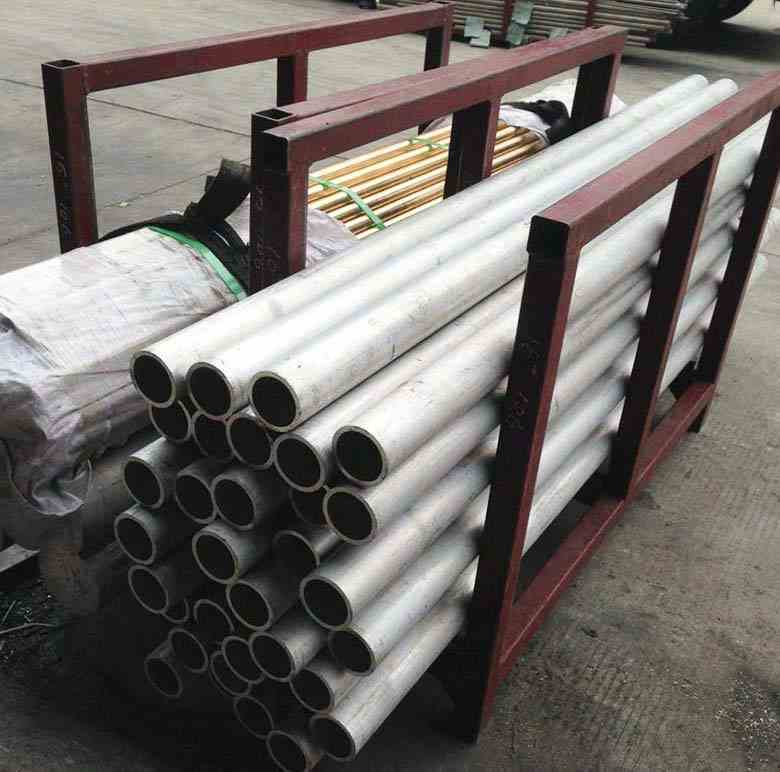
1070 Aluminum Pipe

1070 aluminum is 1000 industrial pure aluminum, with the general properties of aluminum, such as low density, good electrical and thermal conductivity, corrosion resistance, good plastic processing performance. It cannot be strengthened by heat treatment, but can be improved by cold deformation; the only form of heat treatment is annealing. 1070 pure aluminum has low strength and poor cutting performance. It can be processed into plates, strips, foils, extruded products, etc., and is suitable for use as gaskets and aluminum foils for capacitors.

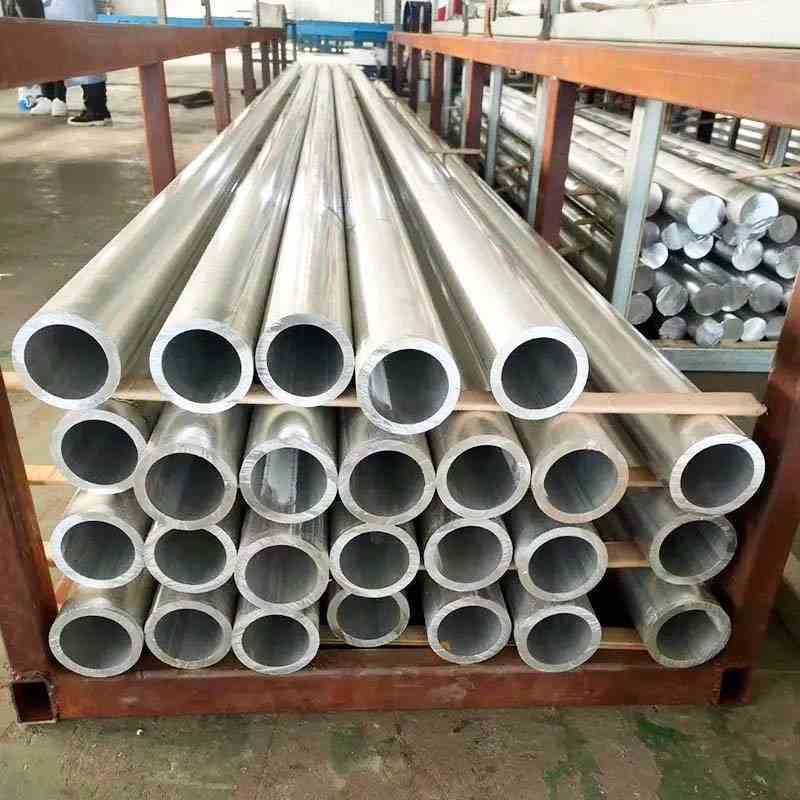
1060 Aluminum Pipe

1060 is formed by adding a small amount of copper to pure aluminum, which has excellent forming characteristics, high corrosion resistance, good weldability and electrical conductivity. 1060 aluminum is widely used in parts such as body panels, bumpers and wheels in the automotive industry. Due to its light weight and ability to withstand extreme temperatures, it is also commonly used in aircraft manufacturing. In addition, due to its high conductivity and low resistance characteristics, it is often used in electrical applications.

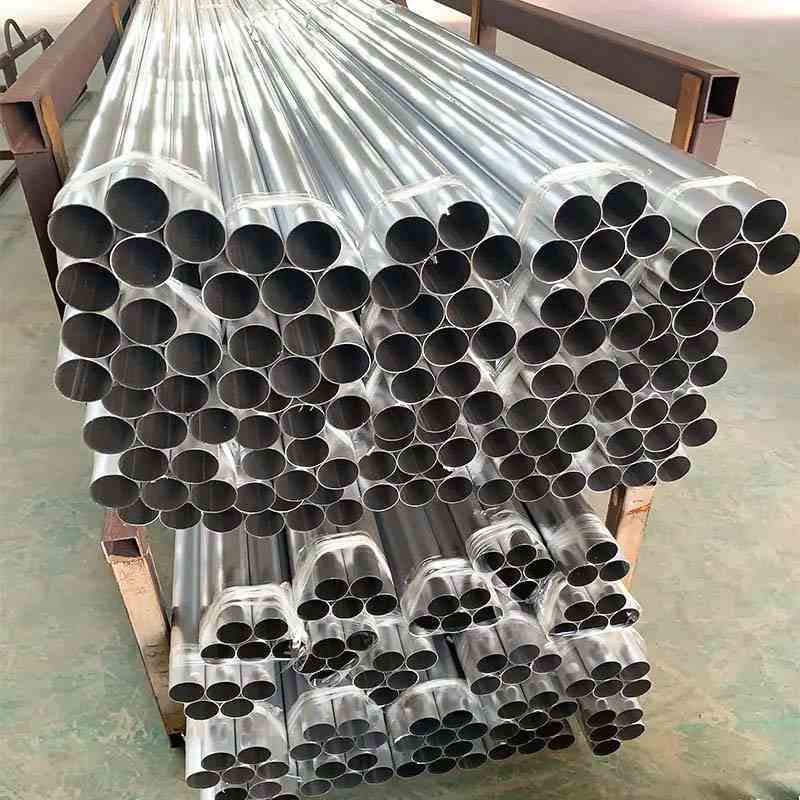
Aluminum Pipe

1050 aluminum alloy is formed by adding a small amount of copper in pure aluminum, which has excellent forming characteristics, high corrosion resistance, good weldability and electrical conductivity. It is widely used in products with low strength requirements, such as chemical instruments, sheet metal processing parts, deep drawing or spinning concave vessels, welding parts, heat exchangers, clock surface and disk surface, nameplate, kitchen utensils, decorations, reflective appliances, etc.

SAE 1018 Wire Rods

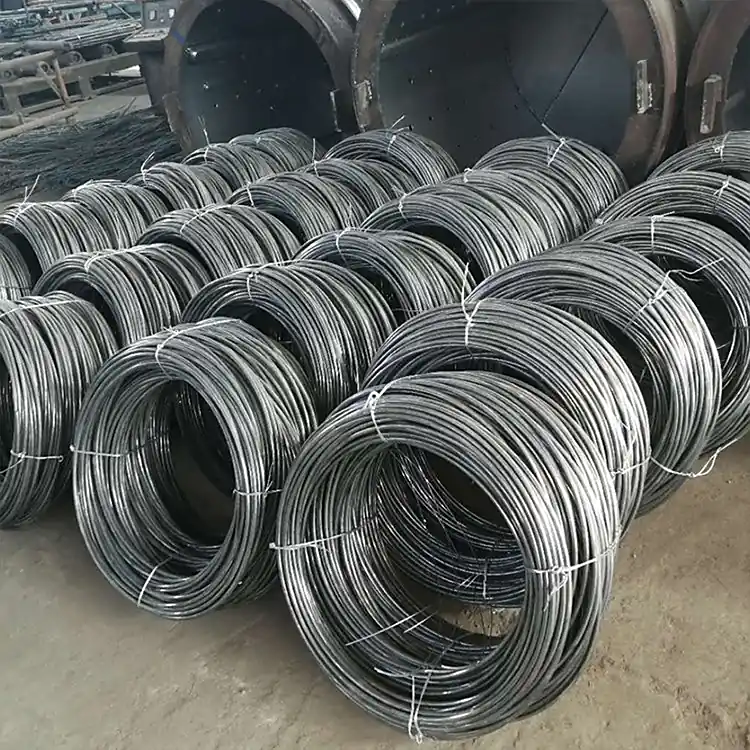
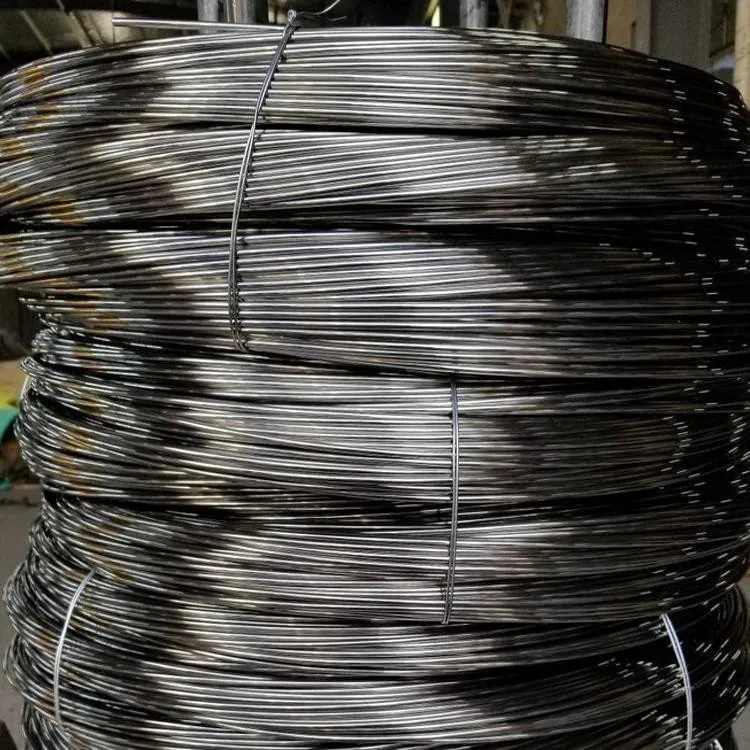
Steel wire is one of the four major varieties of steel: plate, tube, profile and wire. It is a reprocessed product made of hot-rolled wire rod by cold drawing. According to the section shape, it mainly includes circle, square, moment, triangle, ellipse, flat, trapezoid, zigzag, etc. Ordinary quality steel wire includes steel wire for welding rod, nail making, mesh making, packaging and printing industry, steel wire for cold heading forging for cold heading rivet and screw, etc., and electrical steel includes special steel wire for production of overhead communication line, steel cored aluminum

ASTM A510 Steel Wire Rod

Low carbon material from which wire rod and round wire are produced in riots or cut rods. Standart: ASTM A510M. Standard specification for general requirements for carbon steel wire rod and round wire. Classification: Low-carbon steel.

SAE-1008 Steel Wire Rod

Steel grade G10060 (SAE 1008) - low carbon material from which wire rod and round wire are produced in riots or cut rods. Standart: ASTM A510M. Standard specification for general requirements for carbon steel wire rod and round wire. Classification: Low-carbon steel.

SAE-1006 Steel Wire Rod

Steel grade G10060 (SAE 1006) - low carbon material from which wire rod and round wire are produced in riots or cut rods. Standart: ASTM A510M. Standard specification for general requirements for carbon steel wire rod and round wire. Classification: Low-carbon steel.

High Carbon Spring Tempering Steel Wire
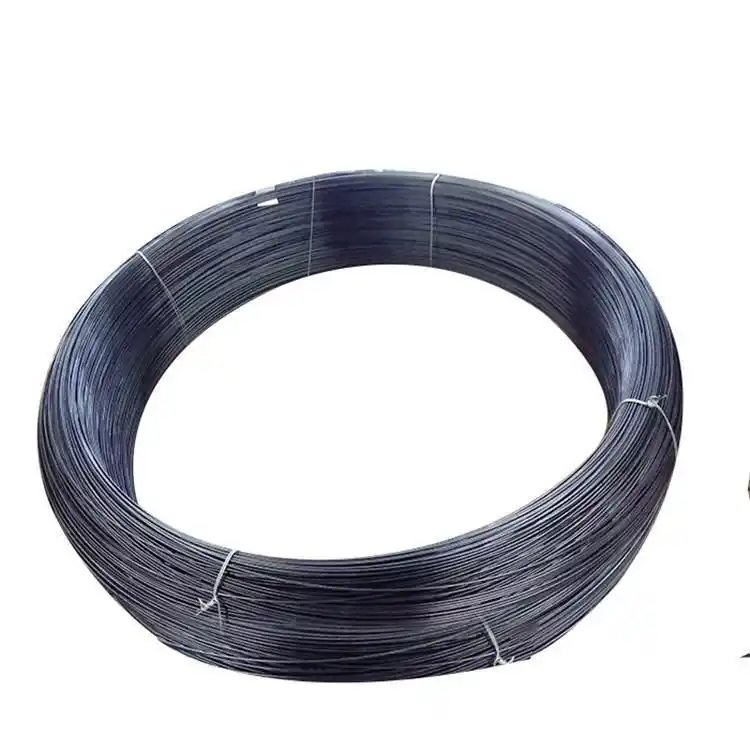
High carbon steel is used to make spring tempered carbon steel wire. Commonly used grades of spring steel wire do not have a specific chemical name, such as 1065 or 1080, which is common in other types of high carbon steel products. Rather, they are specified and manufactured according to performance criteria specific to their primary end use, I .e., the manufacture of coil springs. These performance standards allow a range of carbon content, but there are other factors, such as tensile strength and bending/winding tests must be met within the specified range.

Low Carbon Bright Alkaline Steel Wire
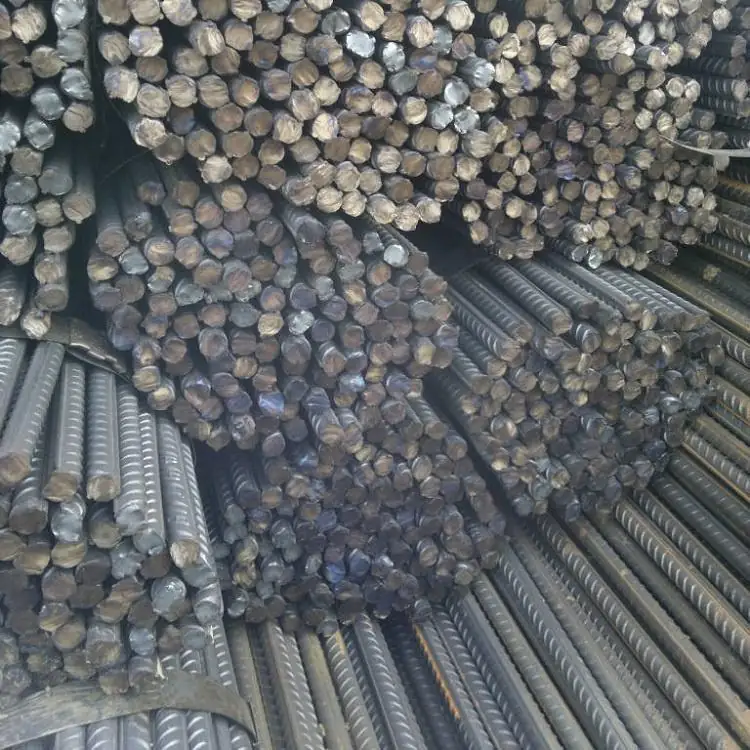
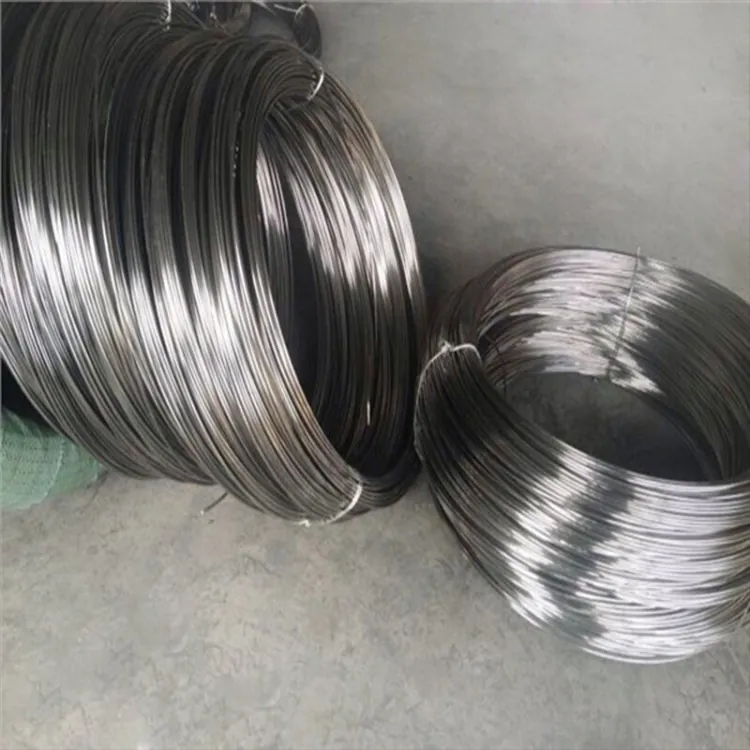
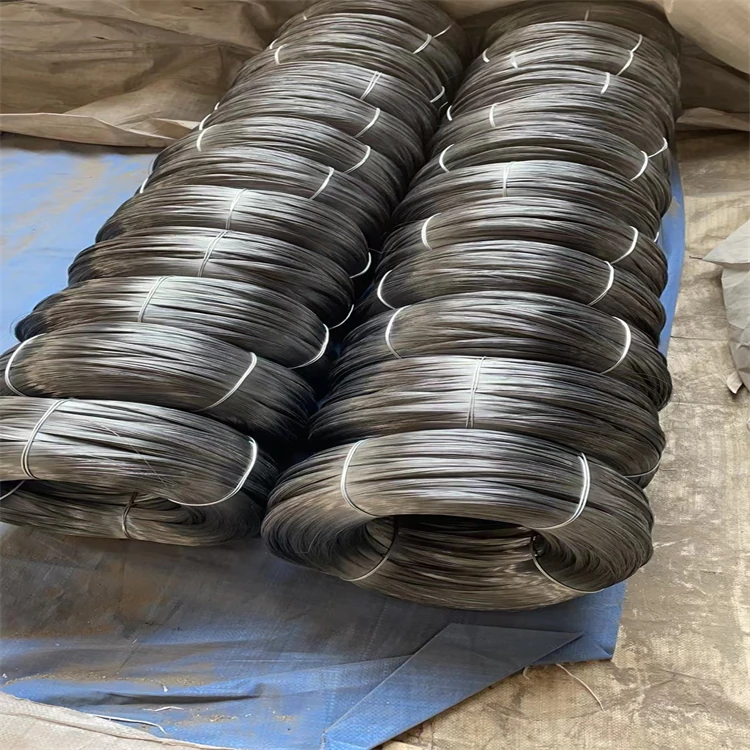
Low-carbon bright alkaline steel wire is a good general-purpose grade and is the most common type in daily life, such as hangers, electrical shelves, store displays and paper clips. It has good bending and flattening performance, is easy to form, and is conducive to welding. The carbon content of low carbon bright alkaline steel wire ranges from 0.06 to 0.20 percent, but the most commonly used grades are 1008(0.08 percent carbon) and 1018(0.18 percent carbon). Low-carbon bright alkaline steel wire is most often supplied in a "drawn" or "hard drawn" state, but can also be supplied in a bright annealed state according to special requirements.

ASTM A615 Reinforcement Bar Grade 8
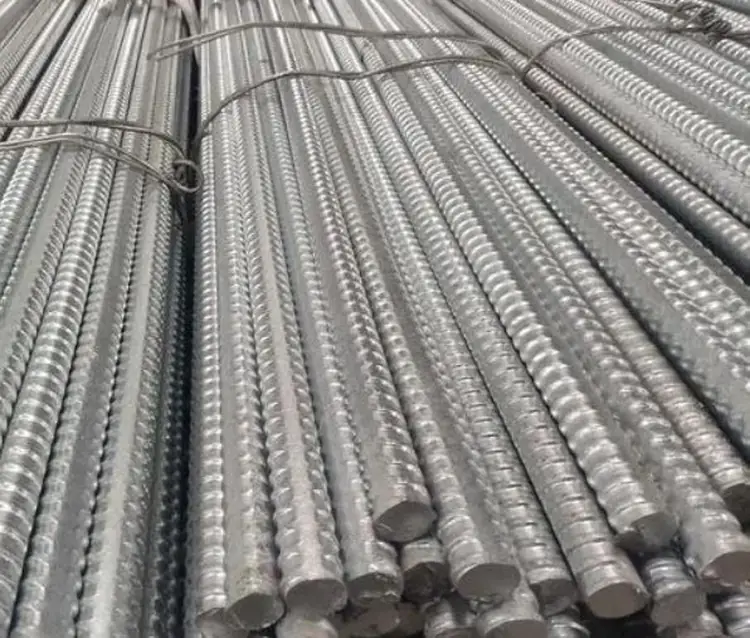
Unlike the former two kinds, ASTM A615 is a deformed steel standard categorized under American standards. These are generally available in diameter between 9.5 mm and 43 mm, and length between 6 m and 12 m. Generally, the steel bars that fall under this standard are under deformed or plain carbon steel. The grades that fall within this standard are Grade 40, Grade 60, Grade 75, and Grade 80.

Deformed Rebar

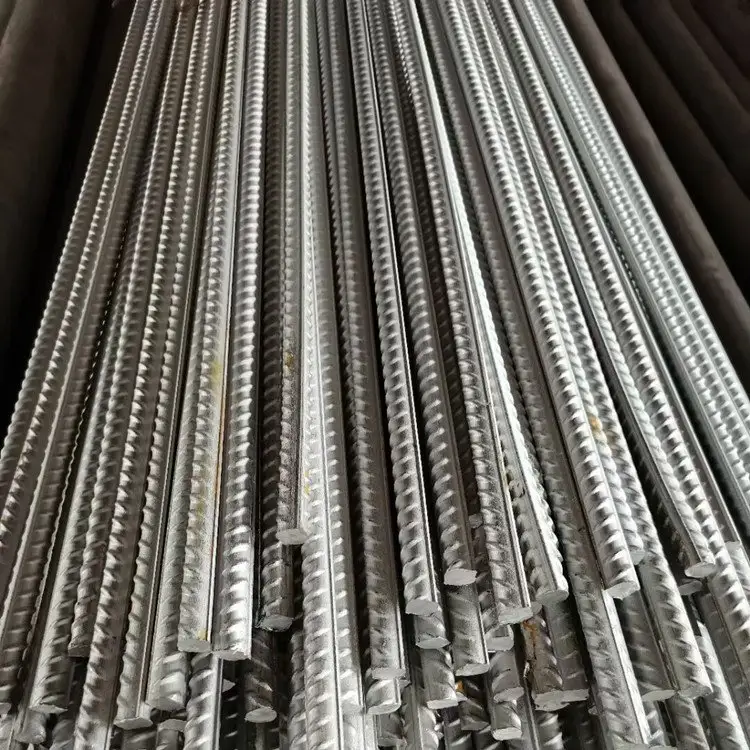
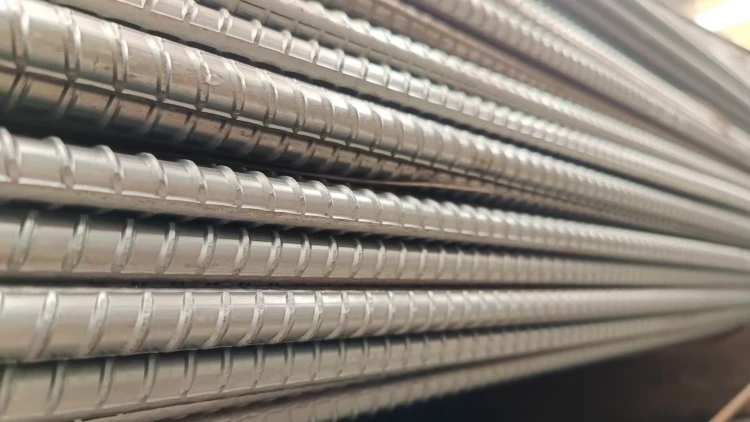
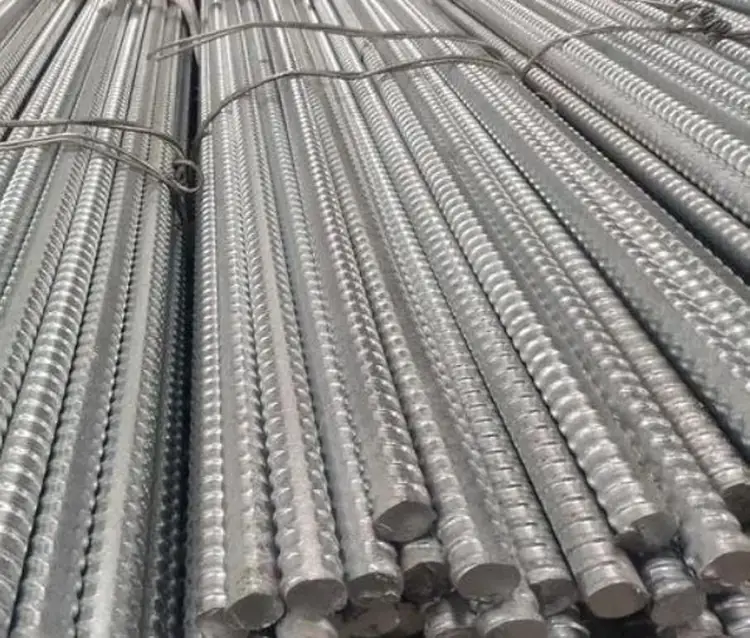
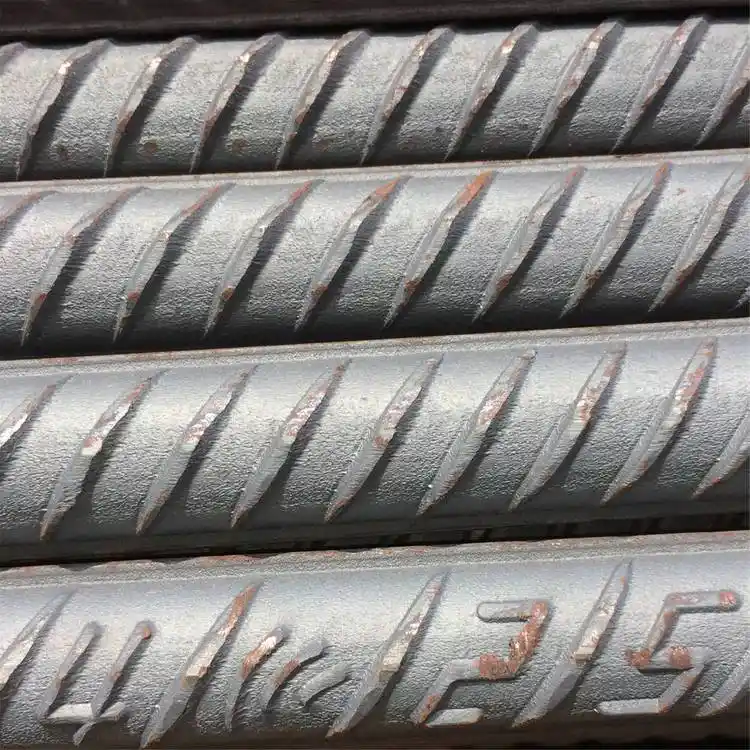
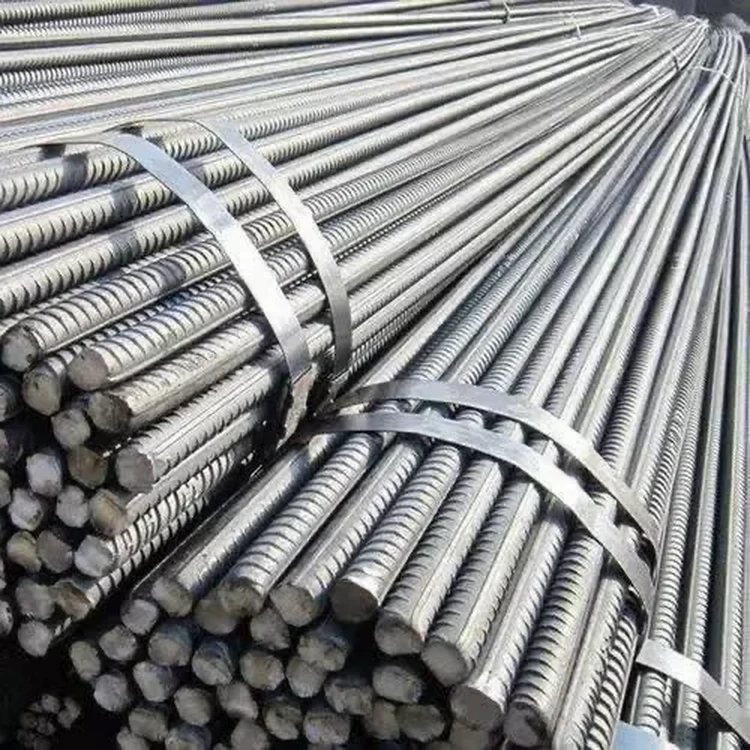
Reinforced Steel Bar refers to steel with surface protruding ribs and straight strips, which helps to strengthen the adhesion between concrete and steel bars and it helps to create strong pull between steel bars and cement. It is suitable for reinforced concrete projects that require high strength, such as houses and well contorlled in accordance with the latest version of TIS 24-2559. The quality grade (steel symbol) is SD 40 and SD 50. The nominal diameter is from 10 mm to 40 mm. The standard lengths are 10 M and 12 M and lengths is also available according to the customer's requirements.

TMT Bars

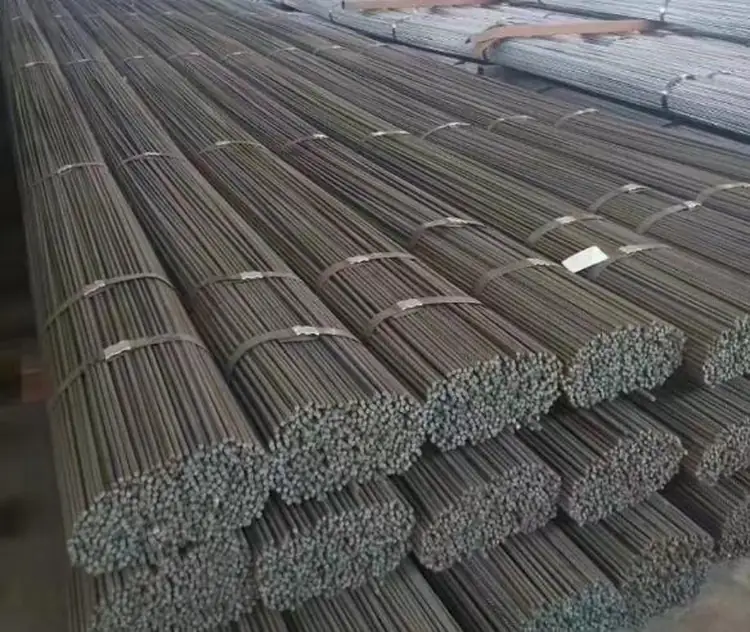
Types of TMT Steel Bars: There are different types of grades available in TMT steel bars, where grade implies the number of stress level used to deform it. Quality is an important factor for any product and we provide you with better quality according to your requirements. These are the types of TMT steel bars available with us.

ASTM A615 Reinforcement Bar Grade 75
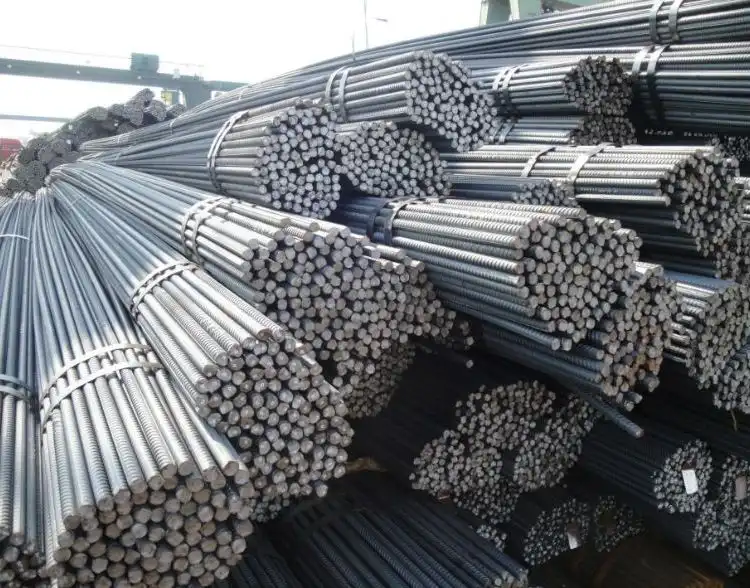
Unlike the former two kinds, ASTM A615 is a deformed steel standard categorized under American standards. These are generally available in diameter between 9.5 mm and 43 mm, and length between 6 m and 12 m. Generally, the steel bars that fall under this standard are under deformed or plain carbon steel. The grades that fall within this standard are Grade 40, Grade 60, Grade 75, and Grade 80.

ASTM A615 Concrete Rebar Grade 40

Manufactured from high carbon steel, both A-615 GR 60 and A-615 GR 40 rebar grades provide structural support to concrete and masonry constructions. They reinforce structures with strength and stability. With their reinforcement, they help prevent buildings and other structures from cracking, sagging, collapsing, or experiencing other unwanted and dangerous deformations. They do this by equalizing the distribution of tension and by absorbing stress. A-615 GR 60 and A-615 GR 40 reinforce concrete slabs columns in the architectural industry. They mainly benefit medium to heavy commercial applications such as walls, roadways, driveways, parking structures, brick buildings, and skyscrapers, among others.

ASTM A615 Reinforcing Bar Grade 60

ASTM A615 Steel Rebar increases the tensile strength of concrete and can be used for both primary and secondary reinforcement. It helps absorb stress and weight and facilitates the more even distribution of the tension caused by the expansion and contraction of concrete when it is exposed to heat and cold, respectively. ASTM A615 Steel Rebar has a rough, blue-grey finish with raised ribs throughout the bar. ASTM A615 Grade 60 Steel Rebar offers enhanced yield strength of at least 60 thousand pounds per square inch, or 420 megapascals on the metric grading scale. It also features a continuous line system, with one line running along the length of the bar which is offset a minimum of five spaces from the center. These characteristics make Grade 60 Steel Rebar particularly well-suited for medium to heavy-duty concrete reinforcement applications.

BS4449 Steel Reinforcement Rebar

BS4449 is yet another deformed steel bar standard. It is also differentiated as per European standards. When it comes to manufacturing, the steel bars falling in this standard are also hot rolled, which means that they are also used for general purposes, i.e. in common construction projects. These deformed bars are also available between 12 mm to 30 mm diameter size. And the common lengths that they are available in are 9 m and 12 m. Though, it might vary highly.

B500A/B500B/B500C Rebar

The differences between the, B and C designations are complex and related to structural tolerances. For steel mesh products, B500A grade steel is usually used, and for steel bars, B500B grade steel is used. B500C steel is rarely required, and it is always worthwhile for structural engineers to check whether B500B grade steel can be used instead of B500C, because B500C usually has a significant cost overhead. HPB300 (Grade I) is a common steel bar with a diameter of 6-12mm. Commonly used in the production of s

HPB300/HRB335/HRB400/HRB500 Reinforcement

China's steel bar grade according to the requirements of the Chinese standard GB1499.2-2018. According to the production process, there are hot rolled steel bars (H) and cold rolled steel bars (C). Hot-rolled steel bars are divided into smooth round steel bars (HPB300) and ribbed steel bars. The common brands of hot rolled ribbed steel bars are HRB400, HRBF400, HRB400E, HRBF400E, HRB500, HRBF500, HRB500E and HRB600. HPB300 (Grade I) is a common steel bar with a diameter of 6-12mm. Commonly used in the production of s
< 1...789...24 >