Specializing in the production of various stainless steel pipes, plates, coils, rods, pipe fittings, high nickel alloy steel products, high temperature resistant products

Categories

302 stainless steel is a variant of 18% chromium and 8% nickel austenitic stainless steel. This alloy is the most common and frequently used alloy in the stainless steel family. 302 are slightly higher carbon versions of the 304, usually in the form of ribbons and wires. It is a tough, tough grade, has considerable corrosion resistance, is non-magnetic, and cannot be hardened by heat treatment. 302 are typically used in their annealed state and have a high degree of ease of manufacture and formability.

301 grade stainless steel is a common austenitic stainless steel with good corrosion resistance and high carbon content, and can be cold worked to various temperatures. Among stainless steels, 301 is the most easily strengthened steel by cold deformation. Cold deformation processing can improve the strength and hardness of steel, and retain sufficient plasticity and toughness. In addition, this steel has good rust resistance under atmospheric conditions, but its corrosion resistance in reducing media is poor, and its corrosion resistance in chemical media such as acid, alkali and salt is poor. Therefore, it is not recommended for corrosive environments.

316Ti(UNS S31635) is a titanium stabilized version of 316 molybdenum-containing austenitic stainless steel. 316 alloys are more resistant to general corrosion and pitting/crevice corrosion than traditional chromium-nickel austenitic stainless steels such as 304.

305 stainless steel is an austenitic chromium-nickel stainless steel with a low work hardening rate. This low work hardening rate makes it suitable for many deep drawing applications. In order to minimize the earrings during the drawing process, the directionality introduced during the cold rolling process must be kept to a minimum.

202 stainless steel is an austenitic chromium-nickel-manganese alloy. It has high ductility, good corrosion resistance and excellent toughness in both high and low temperature environments. 202 stainless steel is one of the most widely used 200 series stainless steel. 202 stainless steel, the austenitic structure is stabilized by the addition of nickel and manganese, thereby preventing the formation of harmful phases, such as sigma phase or chromium carbide. The high nickel content also improves the corrosion and oxidation resistance of the steel at high temperatures.

2205 Duplex Stainless Steel Plate
Duplex 2205 is a two-phase, ferritic, austenitic, 22% chromium, 3% molybdenum, 5% to 6% nickel alloy stainless steel. It is the most widely used duplex stainless steel grade and is characterized by high yield strength, which is twice that of standard austenitic stainless steel grades. It also exhibits good fatigue strength and excellent resistance to stress corrosion, cracking, pitting, erosion and general corrosion in harsh environments.

2507 Duplex Stainless Steel Plate
2507(UNS S32750) is an ultra-duplex stainless steel containing 25% chromium, 4% molybdenum and 7% nickel. It is designed for demanding applications that require excellent strength and corrosion resistance, such as chemical processes, petrochemicals and seawater equipment. The steel has excellent resistance to chloride stress corrosion cracking, high thermal conductivity and low coefficient of thermal expansion. High chromium, molybdenum and nickel levels provide excellent resistance to pitting, crevice corrosion and general corrosion.

Type 201 stainless steel is an austenitic chromium-nickel-manganese stainless steel, which is developed to save nickel. Type 201 is a low-cost alternative to traditional Cr-Ni stainless steels such as 301 and 304. The nickel is replaced by added manganese and nitrogen. It cannot be hardened by heat treatment, but can reach high tensile strength by cold working. Type 201 is essentially non-magnetic in the annealed condition and becomes magnetic upon cold working. In many applications, the 201 type may replace the 301 type.

Grade 904L is an unstable low carbon high alloy austenitic stainless steel. The addition of copper to this grade greatly increases its resistance to strong reducing acids, especially sulfuric acid. It is also highly resistant to chloride attack, including pitting/crevice corrosion and stress corrosion cracking.
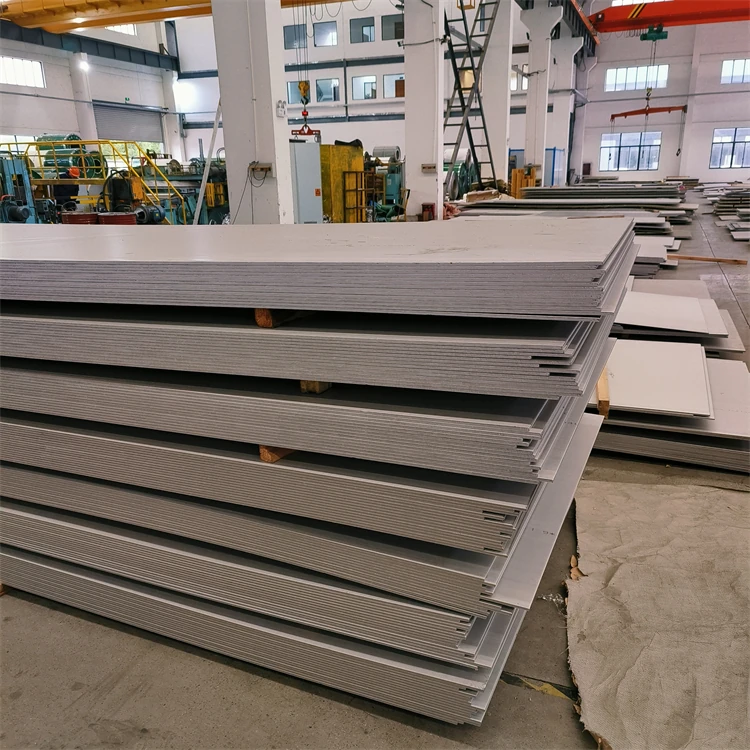
310S is an austenitic stainless steel that combines excellent high temperature performance with good ductility and weldability. It is usually used for high temperature applications because its high chromium and nickel content provides solid corrosion resistance, excellent oxidation resistance and excellent strength at temperatures up to 2100 °F. Due to its high chromium and nickel content, it is superior to 304 or 309 stainless steel in most environments.
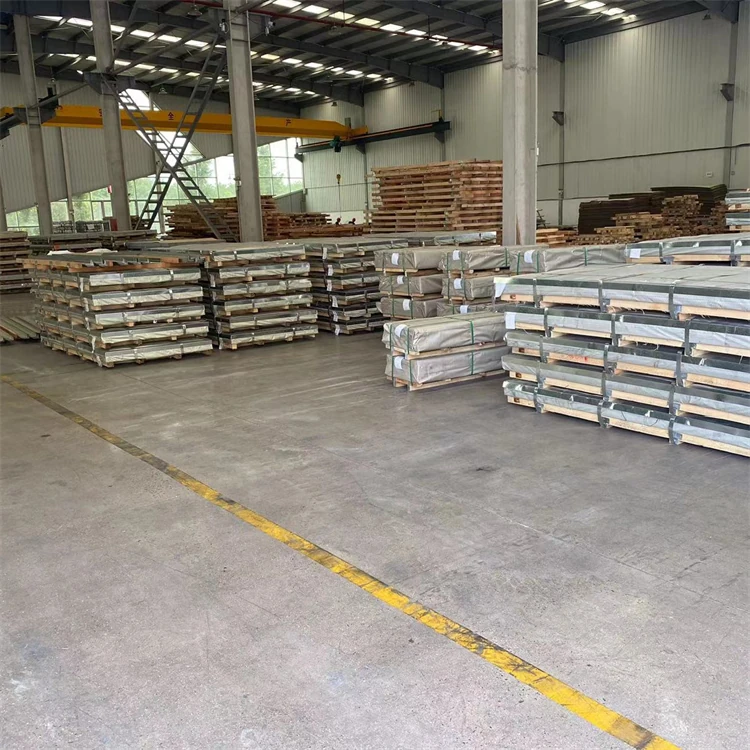
Grade 316 stainless steel is an austenitic form of stainless steel with a molybdenum content of 2-3%. The addition of molybdenum makes the metal more resistant to pitting and corrosion and improves its resistance to exposure to high temperatures. This grade of stainless steel is particularly effective when used in acidic environments. With this metal, corrosion caused by acetic acid, hydrochloric acid and other forms of acid can be prevented.
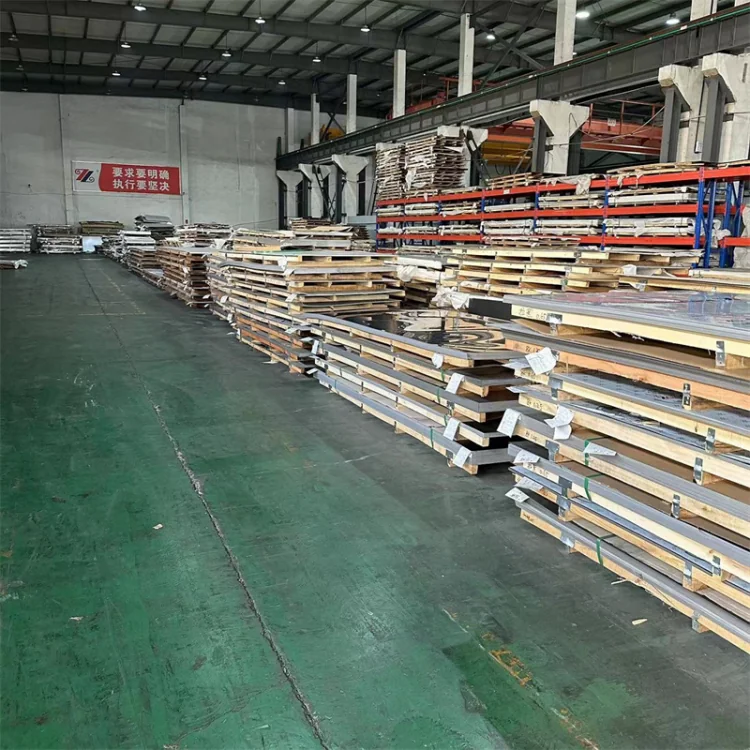
316L stainless steel is an austenitic stainless steel metal alloy that contains nickel and molybdenum, making it corrosion resistant. 316L is a 316 low carbon grade. This grade is not affected by sensitization (grain boundary carbide precipitation). It is often used for large-gauge welded parts (approximately over 6mm). 316L stainless steel has higher creep, fracture stress and tensile strength than chromium nickel austenitic stainless steel at high temperature.
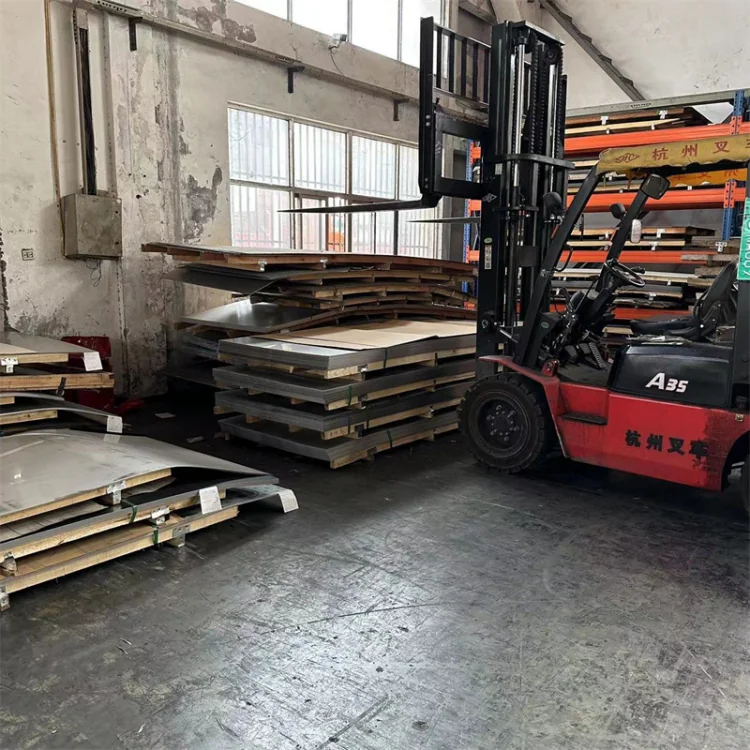
304L is one of the austenitic stainless steels with a chromium content of at least 18%, a nickel content of at least 8%, and a maximum carbon content of 0.03. 304L stainless steel is an ideal choice for various household and commercial applications, with excellent corrosion resistance, ease of manufacturing and excellent formability. Austenitic stainless steels are also considered to be the easiest to weld among high alloy steels and can be welded by all fusion and resistance welding processes.
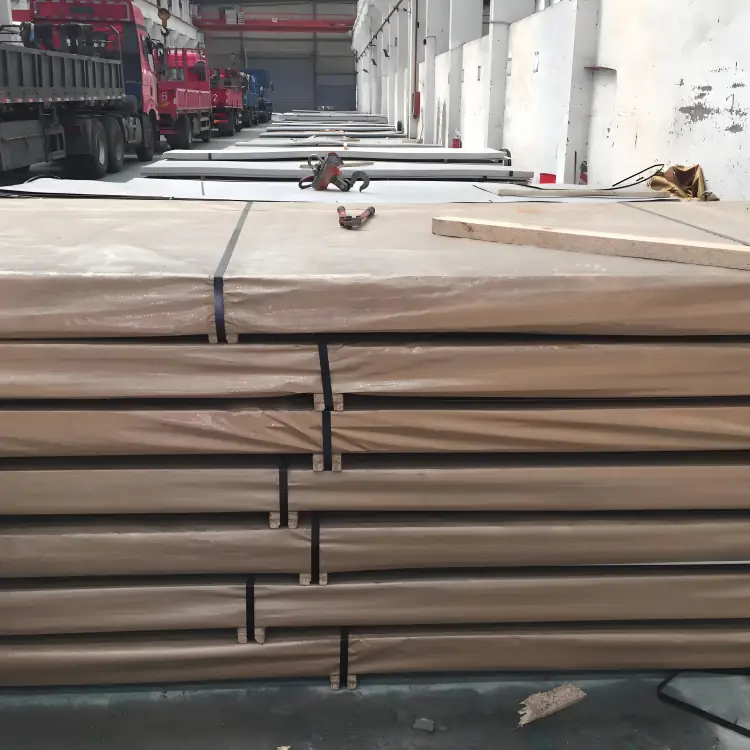
304 stainless steel is a kind of universal stainless steel material, rust resistance than 200 series of stainless steel material is stronger. High temperature resistance is also better, can be as high as 1000-1200 degrees. 304 stainless steel has excellent corrosion resistance and good intergranular corrosion resistance. For oxidizing acids, it is concluded in the experiment that 304 stainless steel has strong corrosion resistance in nitric acid with a concentration of less than or equal to 65% of the boiling temperature. It also has good corrosion resistance to alkali solution and most organic and inorganic acids.

444 stainless steel is a ferritic stainless steel, the national standard grade is 00 Cr18Mo2, its elements of ultra-low carbon nitrogen, chromium content of 18% and 2% molybdenum content, strong corrosion resistance. This type of stainless steel is usually stabilized by niobium or titanium, which can prevent intergranular corrosion after welding.

439 steel is in the ordinary ferrite material (430) on the basis of reducing the content of C, while adding Ti and other stabilizing elements, so that the steel intergranular corrosion resistance, formability and weldability are improved. Compared with the 304 steel, although the elongation is low (about 30%), but the strength, corrosion resistance, and corrosion resistance is better than 200 series materials.

430 grade is a ferritic, straight chromium, non-hardenable grade that combines good corrosion resistance and formability characteristics with useful mechanical properties. Its resistance to nitric acid attack allows it to be used in specific chemical applications, but automotive trim and electrical components represent its largest areas of application.

420 is a hardenable martensitic stainless steel that contains at least 12% chromium, just enough to provide corrosion resistance. It has good ductility in the annealed condition, but can be hardened to a minimum Rockwell hardness of 50 HRC, which is the highest hardness in the 12% chromium scale. Due to its hardening properties, 420 are not often welded, although this is possible. Martensitic stainless steel is designed for high hardness, and sometimes other properties will be affected to a certain extent. The corrosion resistance is lower than that of ordinary austenite grades, and its effective operating range is limited by its ductility loss at sub-zero temperatures and strength loss due to excessive tempering at high temperatures. The best corrosion resistance is obtained when the metal is hardened and subjected to surface grinding or polishing.

1811, No. 2, Zhongjian Jinxiu Plaza

Request Quote
We will contact you within one working day. Please pay attention to your email.