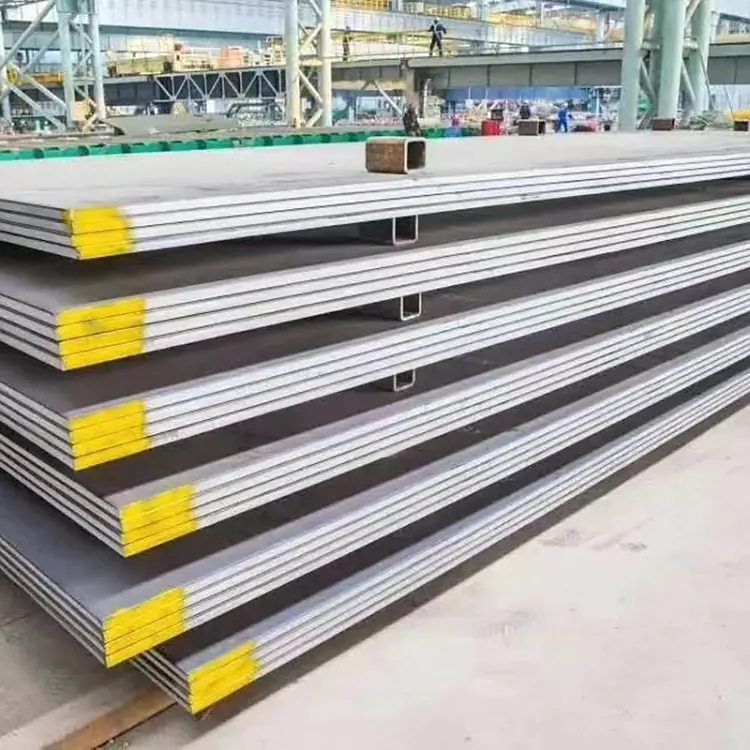
Steel Plate

产品管理
  • 全部
  • 产品管理

202 Stainless Steel Plate

202 stainless steel is an austenitic chromium-nickel-manganese alloy. It has high ductility, good corrosion resistance and excellent toughness in both high and low temperature environments. 202 stainless steel is one of the most widely used 200 series stainless steel. 202 stainless steel, the austenitic structure is stabilized by the addition of nickel and manganese, thereby preventing the formation of harmful phases, such as sigma phase or chromium carbide. The high nickel content also improves the corrosion and oxidation resistance of the steel at high temperatures.

2205 Duplex Stainless Steel Plate

Duplex 2205 is a two-phase, ferritic, austenitic, 22% chromium, 3% molybdenum, 5% to 6% nickel alloy stainless steel. It is the most widely used duplex stainless steel grade and is characterized by high yield strength, which is twice that of standard austenitic stainless steel grades. It also exhibits good fatigue strength and excellent resistance to stress corrosion, cracking, pitting, erosion and general corrosion in harsh environments.

2507 Duplex Stainless Steel Plate
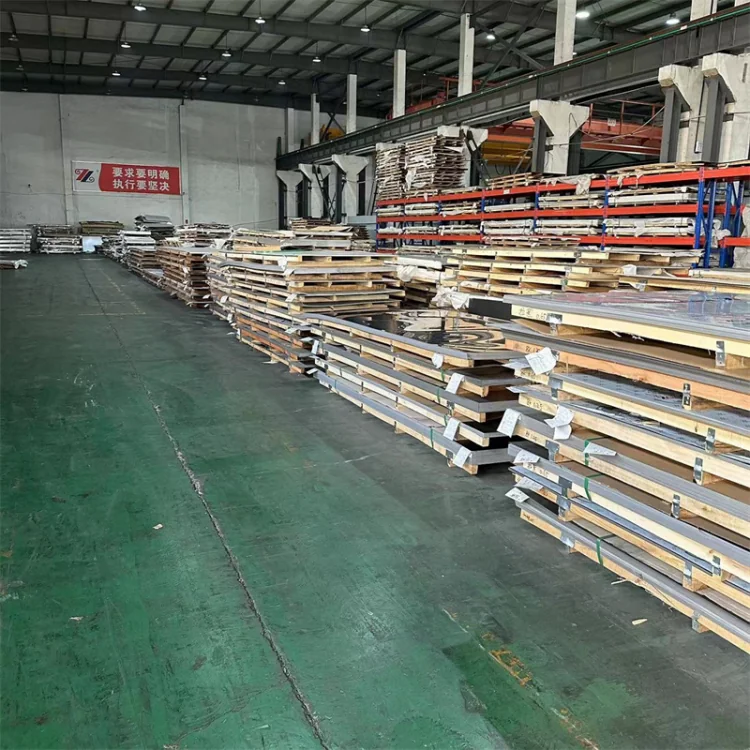
2507(UNS S32750) is an ultra-duplex stainless steel containing 25% chromium, 4% molybdenum and 7% nickel. It is designed for demanding applications that require excellent strength and corrosion resistance, such as chemical processes, petrochemicals and seawater equipment. The steel has excellent resistance to chloride stress corrosion cracking, high thermal conductivity and low coefficient of thermal expansion. High chromium, molybdenum and nickel levels provide excellent resistance to pitting, crevice corrosion and general corrosion.

201 Stainless Steel Plate

Type 201 stainless steel is an austenitic chromium-nickel-manganese stainless steel, which is developed to save nickel. Type 201 is a low-cost alternative to traditional Cr-Ni stainless steels such as 301 and 304. The nickel is replaced by added manganese and nitrogen. It cannot be hardened by heat treatment, but can reach high tensile strength by cold working. Type 201 is essentially non-magnetic in the annealed condition and becomes magnetic upon cold working. In many applications, the 201 type may replace the 301 type.

904L Stainless Steel Plate

Grade 904L is an unstable low carbon high alloy austenitic stainless steel. The addition of copper to this grade greatly increases its resistance to strong reducing acids, especially sulfuric acid. It is also highly resistant to chloride attack, including pitting/crevice corrosion and stress corrosion cracking.

310S Stainless Steel Plate

310S is an austenitic stainless steel that combines excellent high temperature performance with good ductility and weldability. It is usually used for high temperature applications because its high chromium and nickel content provides solid corrosion resistance, excellent oxidation resistance and excellent strength at temperatures up to 2100 °F. Due to its high chromium and nickel content, it is superior to 304 or 309 stainless steel in most environments.

316 Stainless Steel Plate

Grade 316 stainless steel is an austenitic form of stainless steel with a molybdenum content of 2-3%. The addition of molybdenum makes the metal more resistant to pitting and corrosion and improves its resistance to exposure to high temperatures. This grade of stainless steel is particularly effective when used in acidic environments. With this metal, corrosion caused by acetic acid, hydrochloric acid and other forms of acid can be prevented.

316L Stainless Steel Plate

316L stainless steel is an austenitic stainless steel metal alloy that contains nickel and molybdenum, making it corrosion resistant. 316L is a 316 low carbon grade. This grade is not affected by sensitization (grain boundary carbide precipitation). It is often used for large-gauge welded parts (approximately over 6mm). 316L stainless steel has higher creep, fracture stress and tensile strength than chromium nickel austenitic stainless steel at high temperature.

304L Stainless Steel Plate

304L is one of the austenitic stainless steels with a chromium content of at least 18%, a nickel content of at least 8%, and a maximum carbon content of 0.03. 304L stainless steel is an ideal choice for various household and commercial applications, with excellent corrosion resistance, ease of manufacturing and excellent formability. Austenitic stainless steels are also considered to be the easiest to weld among high alloy steels and can be welded by all fusion and resistance welding processes.

304 Stainless Steel Plate

304 stainless steel is a kind of universal stainless steel material, rust resistance than 200 series of stainless steel material is stronger. High temperature resistance is also better, can be as high as 1000-1200 degrees. 304 stainless steel has excellent corrosion resistance and good intergranular corrosion resistance. For oxidizing acids, it is concluded in the experiment that 304 stainless steel has strong corrosion resistance in nitric acid with a concentration of less than or equal to 65% of the boiling temperature. It also has good corrosion resistance to alkali solution and most organic and inorganic acids.

API Spec 5L Pipeline Steel Coil Steel Plate
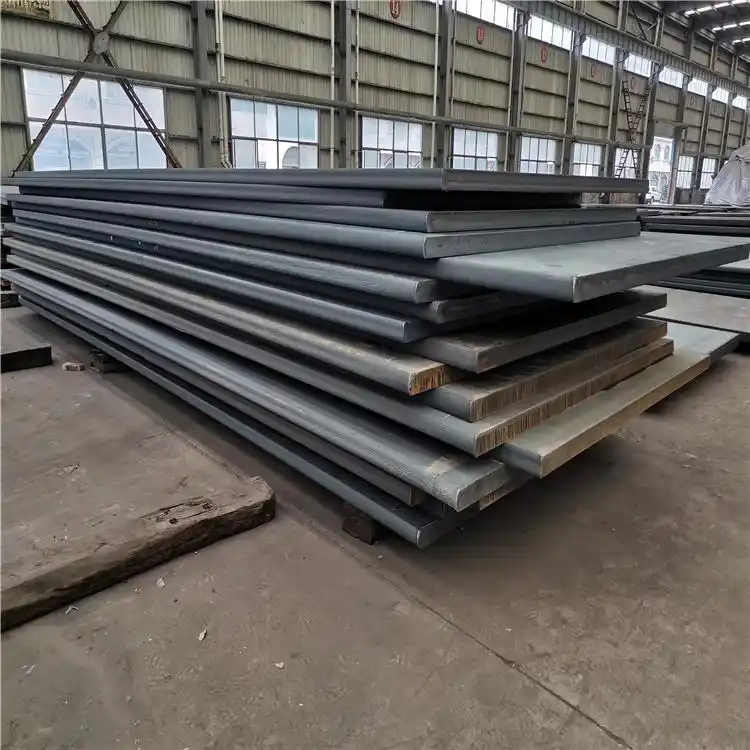
API Spec 5L is an international standard that specifies the manufacturing requirements for two product specification grades (PSL 1 and PSL 2) of seamless and welded steel pipes used in pipeline transportation systems in the oil and gas industry.

EN 10083-3 4135/4140/4142/6150 Alloy Structural Steel Plate
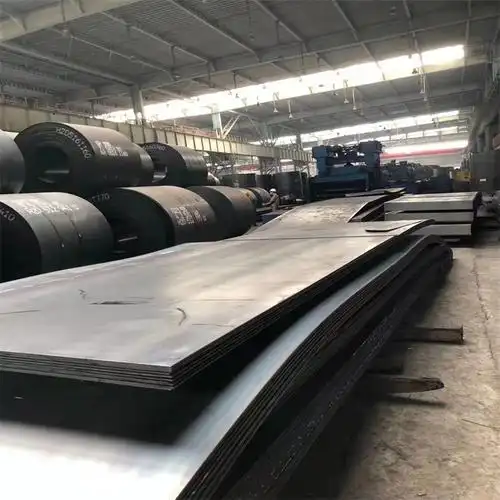
EN 10083-3:2006 steel is an alloy steel used for quenching and tempering. This standard regulates the technical delivery conditions of alloy steels. Under the steel 50CrMo4, 51CrV4, 20MnB5, 34CrMo4, 42CrMo4, 27MnCrB5-2. EN 10083-3 steel plate has high strength, high toughness and good hardenability. The alloy requires high temperature preheating before welding to eliminate the stress after welding.

A588 Alloy Structural Steel Plate

GB/T 11251 alloy steel is one of the common hot-rolled alloy structural steel plates. GB/T 11251 Hot rolled plate has high strength and wear resistance, high hardenability, moderate cold deformation plasticity, good cutting performance and good welding performance. During the heat treatment, the toughness of the steel decreases less. GB/T 11251 alloy steel can still maintain high toughness under water cooling conditions, but it has a tendency of overheating sensitivity, white spot sensitivity and temper brittleness.

A588 Alloy Structural Steel Plate

ASTM A588 steel is a high-strength low-alloy structural steel section, steel plate and bar used for welded, riveted or bolted structures. These steels are mainly used in welded bridges and buildings where weight reduction or increased durability is required. In most environments, the atmospheric corrosion resistance of this steel is significantly better than that of carbon structural steel with or without the addition of copper.

DIN 17155 Pressure Vessel Steel Plate
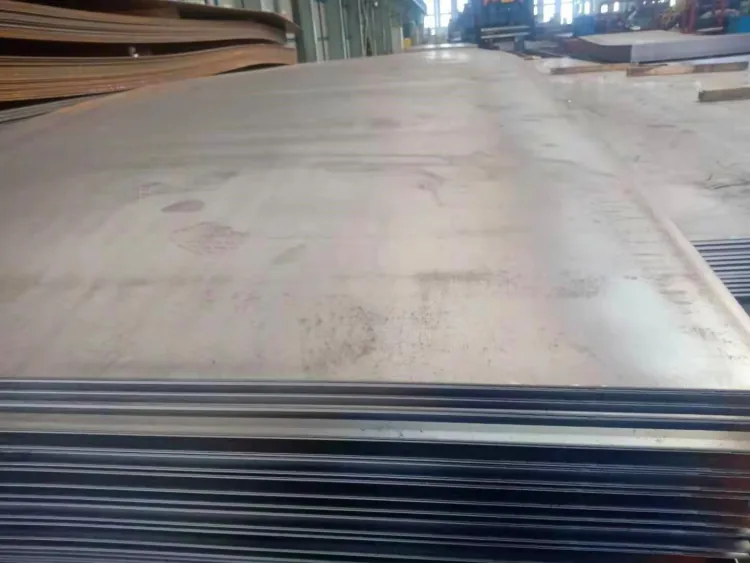
DIN 17155 pressure vessel steel plate is boiler and pressure vessel steel. In addition to boilers and pressure vessels, DIN 17155 pressure vessel steel is also used to manufacture high-temperature liquid transportation pipelines.

JIS G3103 P296GH/P355GH/P235GH Pressure Vessel Steel Plate
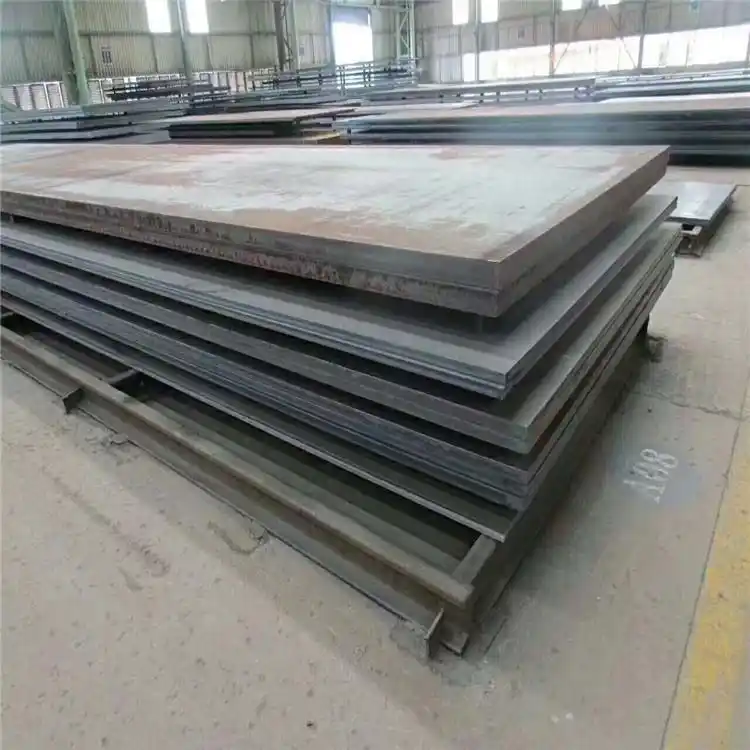
JIS G3103 Boiler Container Plate is a hot-rolled plate of carbon steel and molybdenum alloy steel for Chinese and high temperature boilers and pressure vessels. The main grades of JIS G3103 boiler vessel steel are: SB410, SB450, SB480,SB450M and SB480M.

A537 Pressure Vessel Steel Plate

ASTM A537 Boiler vessel plates are heat treated carbon manganese silicon steel plates used in pressure vessel fabrication. ASTM A537 Boiler Container Plate has 3 grades, namely Grade 1, Grade 2, and Grade 3.

A533 Pressure Vessel Steel Plate

ASTM A533 Boiler vessel plates are manganese-molybdenum and manganese-molybdenum-nickel alloy steel plates suitable for welding pressure vessels. Often with quenching and tempering heat treatment, that is, quenching and tempering state supply. ASTM A533 boiler vessel steel is available in five different strength grades: Class A, Class B, Class C, Class D, and Class E. There are three levels of each category: level 1, level 2 and level 3.